-LOGO-120x120.png)
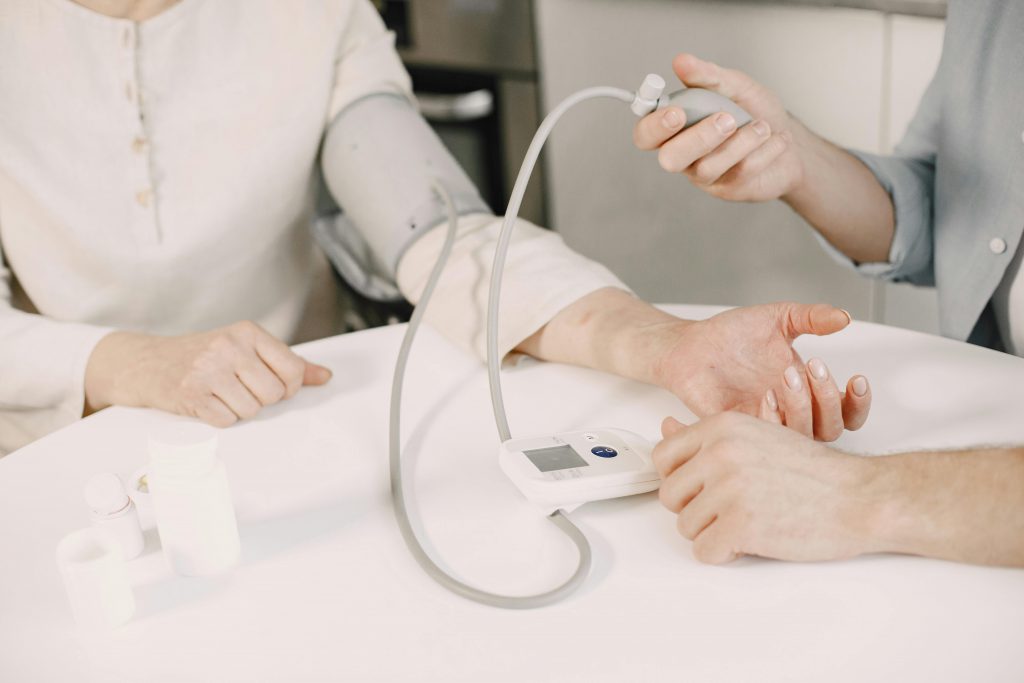
The single biggest risk factor for medical tourists in China isn’t medical quality—it’s communication. Misunderstandings about procedure details, medication instructions, or post-operative care can have serious consequences. That’s exactly where Healing In China (HIC) steps in.
We deliver professional one-on-one medical consultation, accurate multilingual interpretation, and full-range accompanying services throughout your entire medical journey. From selecting suitable hospitals and clarifying treatment plans to on-site hospital assistance and follow-up guidance, we bridge language and cultural gaps at every step. Our dedicated support eliminates communication barriers completely, allowing every global client to receive thoughtful, reliable arrangements and enjoy the safest, smoothest and optimal medical experience in China.
Click the button to Learn More
Why China Excels at Eye Surgery
Here’s a medical treatment in China for foreigners that deserves far more attention: laser vision correction. China’s massive nearsightedness problem—over 600 million people with myopia—has created an ecosystem of exceptional eye surgery capabilities. Chinese ophthalmologists perform more LASIK and SMILE procedures than anywhere else globally, translating to surgical experience that’s hard to match.
The technology is cutting-edge. German Zeiss lasers, Swiss precision instruments, and the latest femtosecond laser systems are standard equipment at leading eye hospitals. China didn’t just adopt Western technology—it’s now innovating in the field, with Chinese research contributing to international ophthalmology journals.
SMILE: The Preferred Procedure
ReLEx SMILE (Small Incision Lenticule Extraction) has largely replaced traditional LASIK as the gold standard in China. It’s less invasive, has faster recovery, and causes less dry eye. The procedure creates a small incision rather than a flap, extracting a lens-shaped piece of corneal tissue to reshape your eye.
Cost in China: $2,000-2,500 for both eyes Cost in the US: $4,000-6,000 Cost in the UK: £3,000-5,000 Cost in Australia: AUD 5,500-7,500
That’s 50-60% savings for identical technology and often more experienced surgeons.
The Speed Factor
The efficiency is startling. Day 1: Comprehensive eye examination including corneal topography, wavefront analysis, and dilated exam (2-3 hours, $100-200). Day 2: Surgery (20 minutes actual procedure time). Day 3: Follow-up check. Total time in China: 3-4 days.
Compare this to Western countries where you might wait weeks between consultation and surgery, then schedule multiple follow-up appointments. Chinese eye hospitals are optimized for volume, which benefits medical tourists who can’t stay for months.
Who Qualifies for Surgery?
Not everyone is a candidate. You need stable prescription (unchanged for 1+ years), adequate corneal thickness, no eye diseases, and realistic expectations. The pre-surgery examination determines eligibility—about 10-15% of applicants are rejected, which is actually a good sign of responsible medical practice.
Recovery takes 1-2 weeks for normal activities, 4-6 weeks for contact sports. Most people return to work within days, though you’ll need to avoid swimming and wear protective eyewear while sleeping initially.
Why Dental Tourism Dominates
Dental work is the single most popular medical treatment foreigners seek in China, and for good reason. The combination of advanced technology, experienced dentists, and prices that are 60-80% lower than Western countries creates an irresistible value proposition.
The cultural shock hits immediately: dental clinics are everywhere. You’ll find them in shopping malls between Starbucks and Uniqlo, in medical towers with floor-to-ceiling glass windows, and even in subway station advertisements. This isn’t sketchy back-alley dentistry—it’s a hyper-competitive market where clinics invest millions in German equipment and marketing to Western expats.
Common Dental Procedures Foreigners Get
Dental Implants are the crown jewel of dental tourism in China. A single Straumann or Nobel Biocare implant (the gold standard Swiss and Swedish brands) costs $800-1,500 in China versus $3,000-6,000 in the US. The implants themselves are often identical products; you’re paying for Chinese labor rates and lower overhead costs.
Same-Day Crowns showcase China’s technological edge. CEREC machines that mill ceramic crowns while you wait are standard equipment in mid-range clinics. What takes two weeks and multiple appointments in the West happens in three hours in Shanghai. Your morning appointment ends with a permanent crown installed before lunch.
Veneers and Cosmetic Work attract influencers and professionals who want that “China glow-up.” Full porcelain veneers cost $300-500 per tooth versus $1,000-2,500 in Western countries. Teeth whitening runs $50-150 for professional treatments that would cost $500+ back home.
Complex Procedures like root canals ($100-200), bridges, and full mouth reconstructions are also popular. Chinese dentists see massive patient volumes—a busy dentist might treat 20-30 patients daily versus 8-10 in the US—which translates to serious experience with routine procedures.
Real Cost Comparison
| Procedure | China | USA | UK | Australia |
|---|---|---|---|---|
| Dental Implant | $800-1,500 | $3,000-6,000 | £2,000-3,000 | AUD 4,000-6,000 |
| Porcelain Crown | $200-400 | $1,000-2,500 | £500-1,000 | AUD 1,500-2,500 |
| Veneers (per tooth) | $300-500 | $1,000-2,500 | £400-1,000 | AUD 1,200-2,000 |
| Root Canal | $100-200 | $800-1,500 | £400-800 | AUD 1,000-1,800 |
| Teeth Whitening | $50-150 | $500-1,000 | £300-600 | AUD 600-1,200 |
What to Watch Out For
Material quality varies wildly. Always confirm you’re getting branded implants (Straumann, Nobel, Osstem) rather than generic Chinese brands. Ask for material certificates in writing.
Understanding “Tijian” Culture
Here’s a medical treatment in China for foreigners that most guidebooks miss entirely: comprehensive health checkups, known as “体检” (tǐjiǎn). Chinese culture emphasizes preventive medicine, and annual full-body health screenings are standard practice—not just for wealthy executives, but for middle-class families.
The revelation for Western visitors: what costs $3,000-8,000 in the US (and requires referrals, appointments spread over weeks, and insurance battles) costs $200-500 in China and happens in a single morning at one location.
What’s Included in a Standard Tijian
A mid-range comprehensive checkup package ($300-500) typically includes:
Blood Work: Complete blood count, metabolic panel, lipid profile, liver and kidney function, diabetes markers, thyroid function, hepatitis screening Imaging: Chest X-ray, abdominal ultrasound, thyroid ultrasound, ECG (electrocardiogram) Cancer Markers: Blood tests for common cancers (prostate, colon, liver, pancreatic, ovarian, etc.) Additional Tests: Lung function, bone density, vision and hearing tests, blood pressure monitoring
Premium packages ($800-2,000) add:
- Full CT Scans: Low-dose chest CT (gold standard for lung cancer screening), abdominal/pelvic CT
- MRI: Brain MRI, cardiac MRI, or full-spine MRI
- Advanced Cancer Screening: PET-CT scans, genetic cancer risk testing
- Cardiovascular Assessment: Stress test, echocardiogram, carotid artery ultrasound
The Experience
You arrive fasting at 7-8am, receive a personalized schedule, and move through different departments: blood draw, ultrasound, X-ray, ECG, physical examination with doctor consultation. The entire process takes 2-4 hours depending on package complexity.
Results arrive within 3-7 days, typically via WeChat or email, with English translation available at international hospitals. A follow-up consultation with a doctor interprets the findings and recommends next steps if anything needs attention.
Why This Matters for Medical Tourists
Many foreigners use comprehensive checkups as a medical tourism planning tool. Get a full health screening in China, identify any issues, then treat them there while enjoying significant savings compared to doing both at home.
It’s particularly valuable for:
- Early cancer detection through low-dose CT and tumor markers
- Cardiovascular risk assessment before symptoms appear
- Baseline health data if you’re considering long-term travel or relocation
- Peace of mind that’s impossible to get affordably in the US without insurance
The unofficial motto: “The best souvenir from China isn’t a jade bracelet—it’s knowing you’re healthy.”
Traditional Chinese Medicine
- Beyond Tourist Trap Massage:Traditional Chinese Medicine represents a unique category of medical treatments in China for foreigners—it’s simultaneously ancient healing art, legitimate medical treatment, and tourist experience. The key is understanding which TCM treatments have evidence behind them and which clinics take their practice seriously.The “discovery moment” for most foreigners happens at combined Western-Chinese hospitals. You might get an MRI for your back pain, then walk down the hall for acupuncture treatment. This integration feels remarkably practical once you experience it, stripping away the mysticism and focusing on what actually helps patients.
- Acupuncture:Acupuncture has the strongest evidence base of any TCM treatment, particularly for chronic pain, migraines, and nausea. Modern Chinese hospitals combine traditional techniques with electro-stimulation (passing mild electrical current through the needles), which enhances the effect for many conditions.A typical acupuncture session costs $15-40 versus $75-150 in Western countries. Treatment courses usually involve 10-20 sessions, so the savings compound quickly. The real value isn’t just cost—it’s access to practitioners who’ve performed hundreds of thousands of treatments over decades of practice.
- Cupping Therapy and Tui Na Massage:Cupping (those circular bruises you see on athletes) costs $10-30 per session. Fire cupping—where glass cups are heated to create suction—is the traditional method, though modern silicone cups are increasingly common. It’s particularly popular for muscle tension and respiratory issues.Tui Na medical massage differs dramatically from Western massage. Practitioners use strong pressure, joint manipulation, and acupressure points to address specific conditions. A 60-minute session costs $20-50 versus $80-150 in the West. This isn’t a spa experience—expect to feel sore afterward, but in the “good workout” way.
- Herbal Medicine:Chinese herbal medicine has modernized significantly. While traditional decoctions (boiling herbs for hours) still exist, most prescriptions now come as instant granulated formulas you mix with hot water, or as vacuum-sealed liquid packets. This makes traveling home with your prescription actually feasible.Herbal consultations cost $20-50 including the diagnosis (pulse reading, tongue examination, detailed health history). The herbs themselves run $50-150 for a month’s supply. Quality control has improved dramatically—reputable hospitals test for heavy metals and pesticides.
Cosmetic and Plastic Surgery
China’s Rise as a Cosmetic Surgery Destination:The term you need to know is “医美” (yī měi) – medical aesthetics. China’s cosmetic surgery market has exploded, with the country now rivaling South Korea in volume and technical capability. What makes China different is the sheer scale: massive patient populations have given Chinese surgeons thousands of repetitions on specific procedures.
Popular Procedures for Foreign Patients
- Double Eyelid Surgery (Blepharoplasty) dominates the cosmetic surgery landscape. While most foreign patients don’t seek this procedure, the volume means Chinese surgeons have unparalleled experience with eyelid anatomy. This expertise transfers to other eyelid procedures like ptosis correction or age-related eyelid surgery that Western patients might need.
- Rhinoplasty in China has evolved significantly. Leading surgeons now trained internationally understand Western nasal aesthetics—higher bridges, more defined tips, different angles. The cost runs $3,000-6,000 versus $8,000-15,000 in the US. The challenge is finding surgeons experienced with non-Asian noses, which requires careful research.
- Anti-Aging Injectables (Botox, hyaluronic acid fillers) are incredibly affordable and widely available. A Botox treatment costs $100-200 versus $400-800 in the US. However, quality control is critical—ensure you’re getting authentic Allergan Botox or Galderma products, not generic alternatives.
- Skin Laser Treatments represent serious value. Procedures like Thermage (radiofrequency skin tightening) or Fotona laser treatments cost $800-1,500 versus $3,000-5,000 in Western countries. China’s competitive medical aesthetics market has driven prices down while maintaining technology standards.
- Hair Transplants using FUE (Follicular Unit Extraction) cost $2,000-4,000 for 2,000-3,000 grafts versus $8,000-15,000 in the US. Turkish clinics are still cheaper, but Chinese facilities offer better communication for English speakers and comparable quality.
Serious Surgery in China
Moving beyond cosmetic and routine procedures, some foreigners seek major surgeries in China: knee replacements, hip replacements, spinal surgery, and cardiac procedures. These represent genuine medical tourism—traveling specifically for complex treatments—rather than opportunistic care while visiting.
Joint Replacement Surgery
- Knee Replacement: Total knee replacement (TKR) in China costs $8,000-12,000 versus $30,000-50,000 in the US (uninsured). The implants are often identical—Zimmer, DePuy, Stryker brands dominate both markets. You’re paying for surgeon time and hospital costs, both dramatically cheaper in China.
- Hip Replacement: Similar economics apply—$7,000-10,000 in China versus $25,000-40,000 in the US. Recovery time (6-12 weeks) is the same regardless of where you have surgery.
Spinal Surgery
Complex spinal procedures (fusion, disc replacement, decompression) attract medical tourists from across Asia. Costs run 40-60% less than Western countries while using the same hardware and techniques. The challenge: spinal surgery requires extensive post-operative care and physical therapy, making medical tourism logistically complex unless you’re planning an extended stay in China.
Cardiac Procedures
China has developed world-class cardiovascular surgery capabilities. Procedures like coronary artery bypass grafting (CABG), valve replacement, and stent placement are performed at major cardiac centers with outcomes matching international standards.
Coronary Angioplasty with Stent costs $8,000-12,000 versus $30,000-60,000 in the US. The stents themselves (Medtronic, Abbott, Boston Scientific) are the same products used globally.
However, cardiac surgery represents the highest-risk category for medical tourism. Post-operative complications require immediate expert intervention, making distance from your home medical system potentially dangerous. Most medical tourism experts recommend cardiac surgery in China only if you have strong connections there (family support, extended business presence) or as a last resort when treatment at home is unaffordable or unavailable.