-LOGO-120x120.png)
Where Traditional Chinese Medicine (TCM) comes from
Traditional Chinese Medicine did not start with one person or one day. It grew slowly over thousands of years, like a river collecting water from many small streams. Ancient Chinese people watched nature, their own bodies, seasons, food, illness, and healing plants — and little by little they built a system to stay healthy and treat disease.
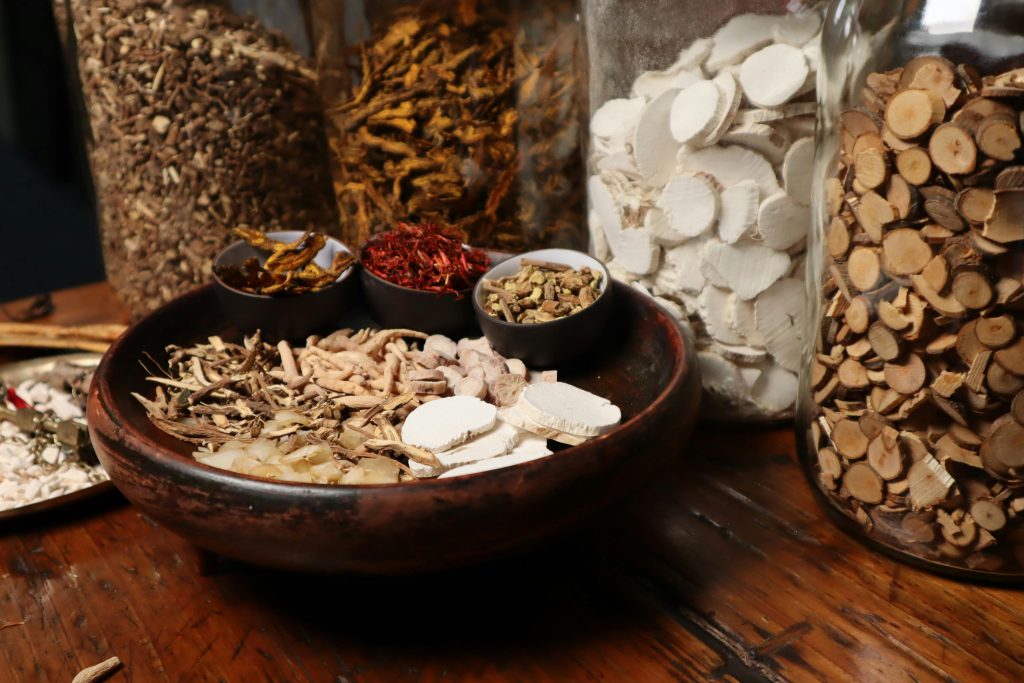
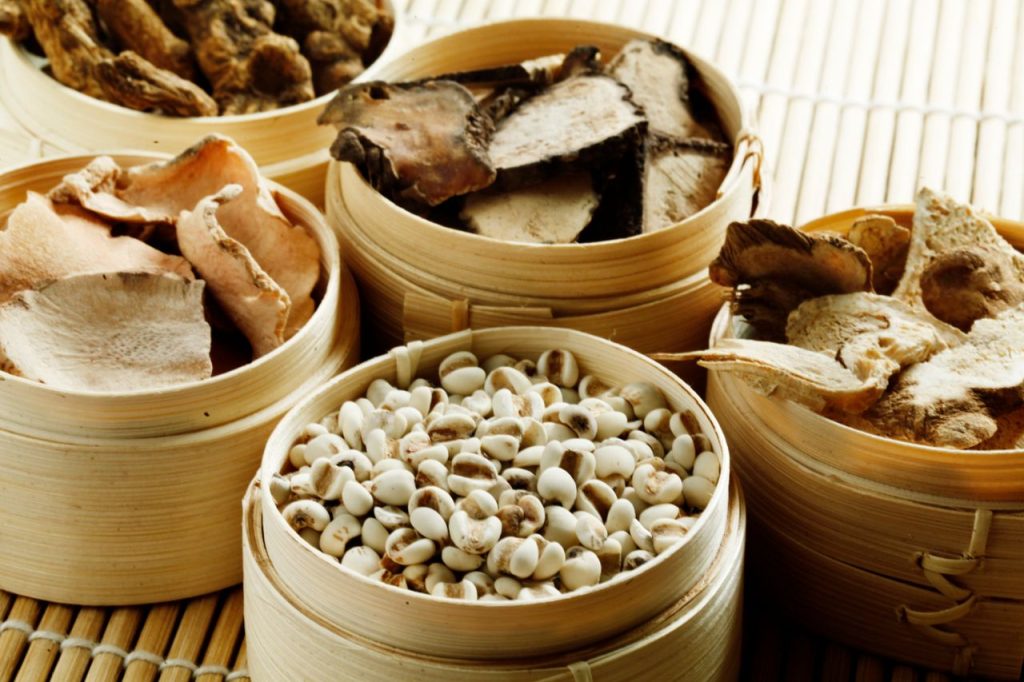
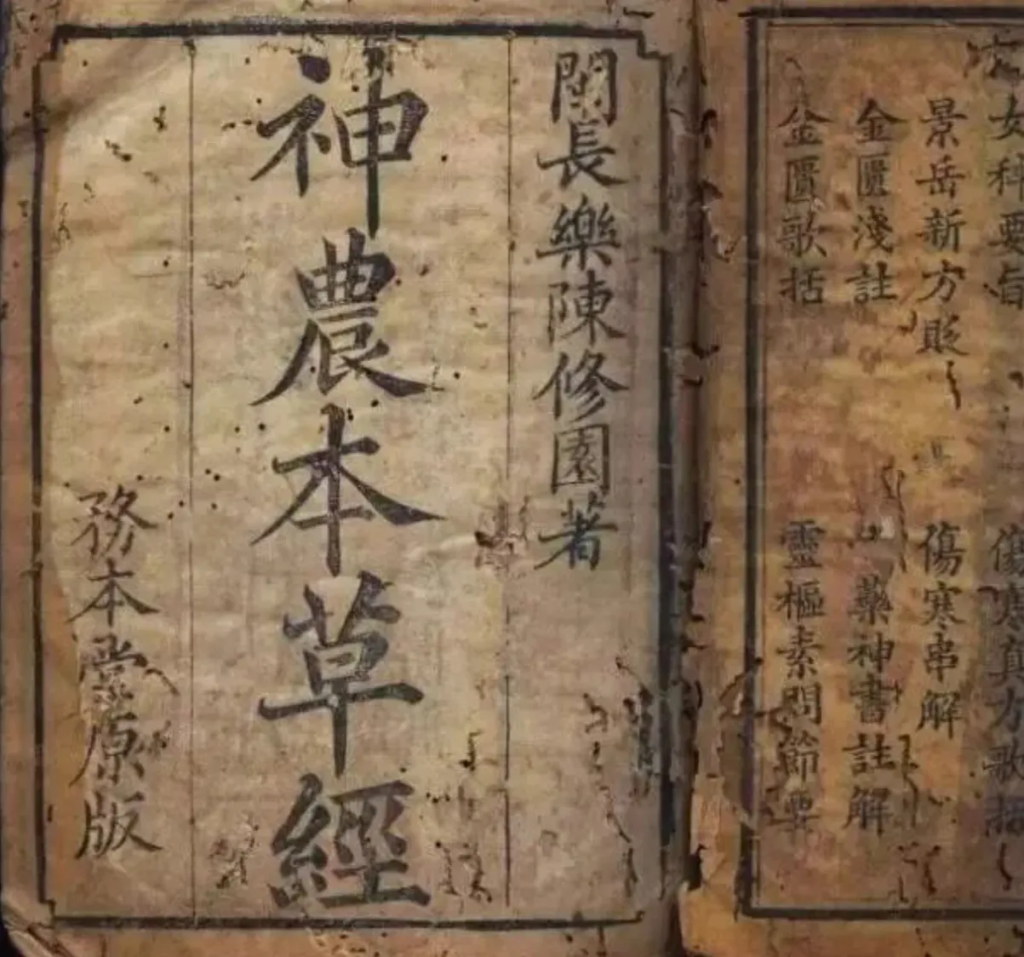
A famous old legend says Shennong, the “Divine Farmer,” tasted hundreds of herbs to find out which ones could heal people. Some herbs helped; some were poisonous. That story is partly myth, but it shows an important truth: early Chinese medicine came from real experience with plants, roots, barks, and leaves.
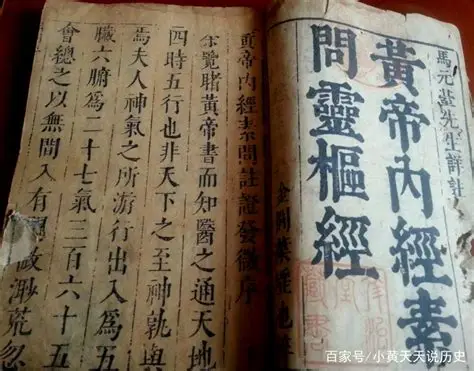
Later, around more than 2,000 years ago, a very important book called the Huangdi Neijing, or Yellow Emperor’s Inner Canon, appeared. People do not think one person wrote it all at once; it was more like a collection of wise medical ideas from many doctors and scholars. This book is like the “foundation stone” of TCM. It talks about how the body works, why people get sick, and how to keep balance.
In that system, health means balance. Two big ideas are Yin and Yang: opposite but connected forces, like night and day, cold and hot, rest and activity. Another key idea is Qi, often translated as “vital energy” or “life force,” which should flow smoothly through the body. When Qi is blocked or weak, or when Yin and Yang are out of balance, a person may get sick. TCM also uses the idea of meridians, which are like invisible pathways for Qi.
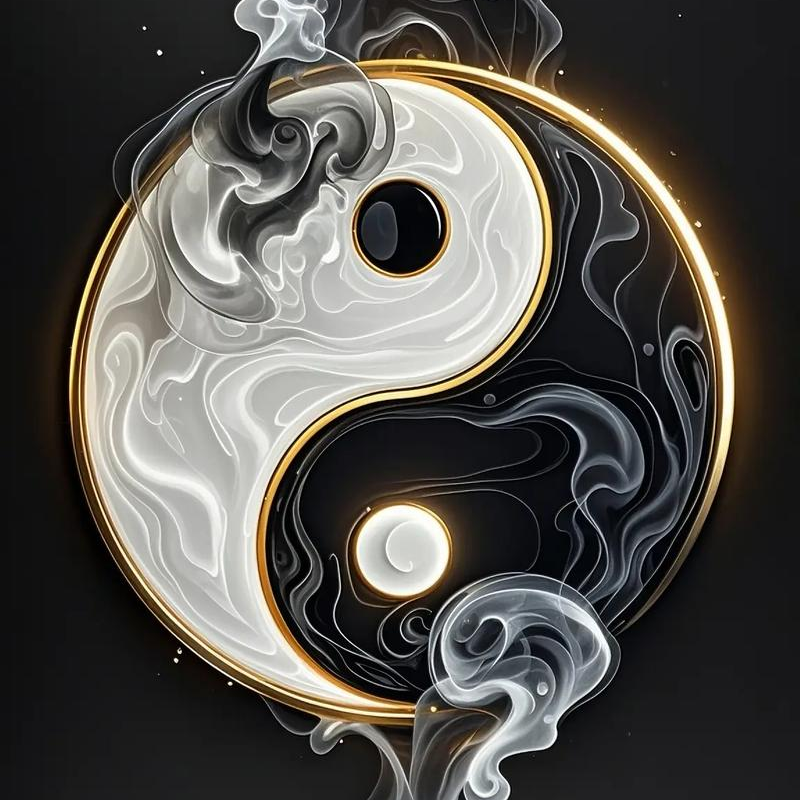
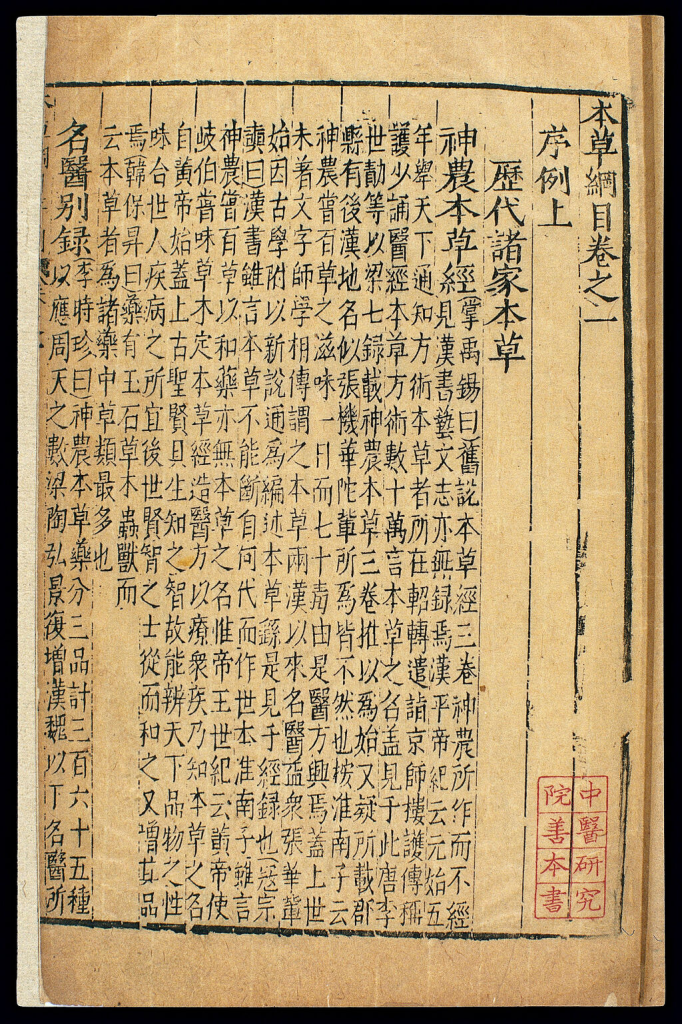
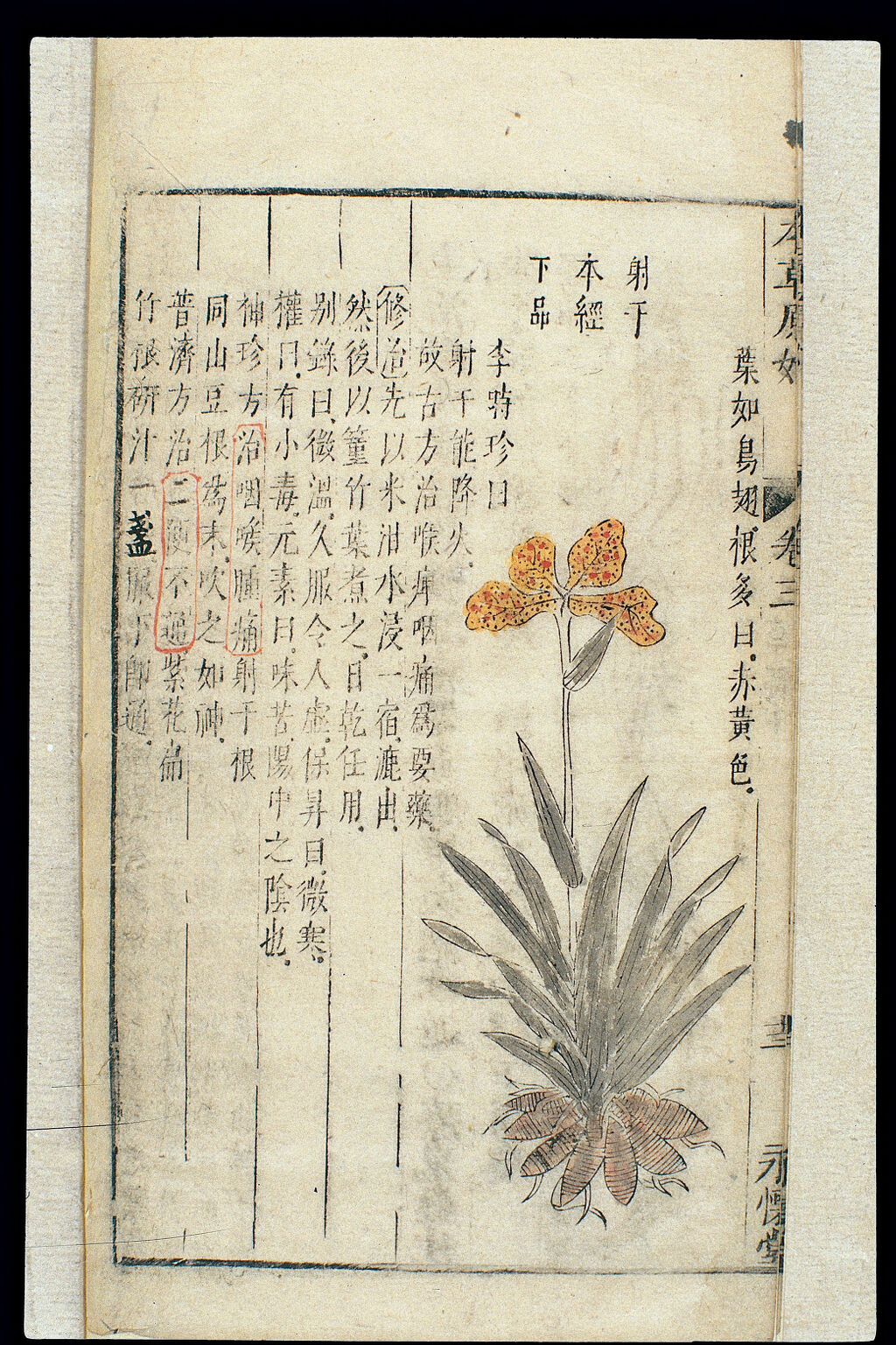
After that, TCM kept developing. In the Han Dynasty, doctor Zhang Zhongjing wrote Treatise on Cold Damage and Miscellaneous Diseases, which became hugely important for treating fevers and internal illnesses. Much later, in the Ming Dynasty, Li Shizhen wrote Compendium of Materia Medica, a giant encyclopedia of herbs, minerals, animals, and medical substances used in China.
So, in plain English: TCM started from ancient Chinese people observing nature and the human body, learning from herbs and daily life, then turning those experiences into theories about balance, energy, and harmony between humans and the natural world.