-LOGO-120x120.png)
Minimally Invasive Joint Replacement in China
China has emerged as a global leader in minimally invasive knee and hip replacement, driven by robotic innovation, ultra-small-incision techniques, and long-lasting biological prostheses. These advancements deliver unparalleled precision, faster recovery, and cost-effective solutions for patients worldwide.
1. Robotic-Assisted Surgery: Precision Redefined
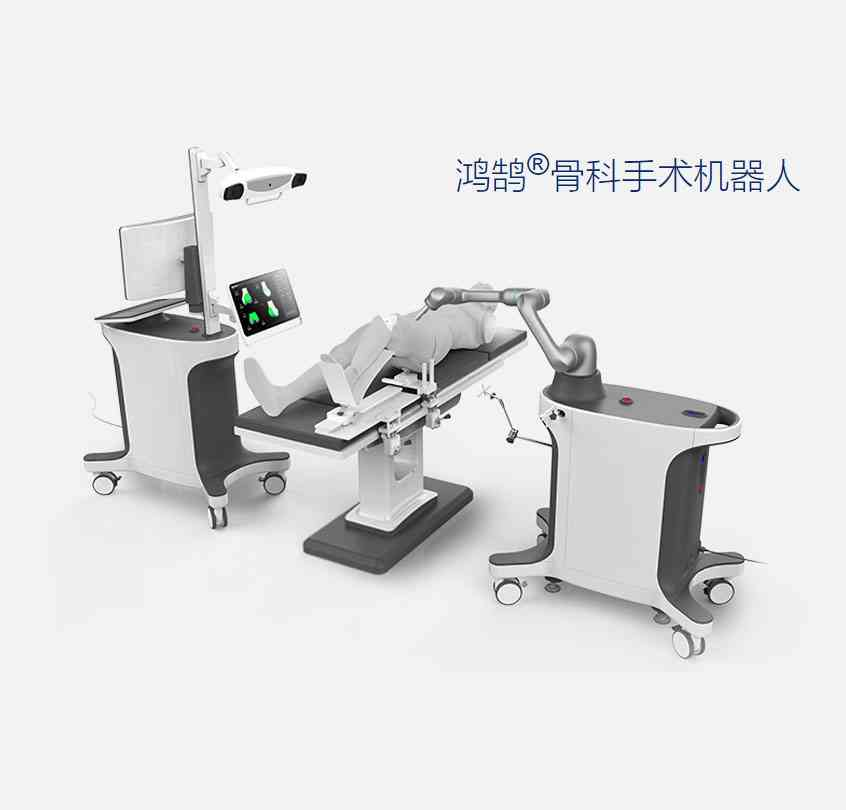
Domestic robots like SkyWalker (鸿鹄 ®)微创 and Kunwu (锟铻 ®) lead the revolution, alongside global systems such as Mako.
Submillimeter Accuracy: Robots plan and execute surgery with 0.1–0.3 mm precision, eliminating human error in bone cutting and prosthesis placement.
3D Preoperative Planning: CT scans create patient-specific 3D models, allowing surgeons to customize implants and correct deformities (e.g., severe bowlegs) before surgery.
Minimized Trauma: Avoids opening the femoral canal, reducing bleeding by 30% and lowering complication risks.
2. Ultra-Minimally Invasive Approaches: Smaller Cuts, Quicker Healing
Chinese surgeons have pioneered muscle-sparing techniques with tiny incisions:
- Hip Replacement: DAA (Direct Anterior Approach) and SUPERPATH methods use 6–8 cm incisions (vs. 15–25 cm traditional), preserving muscles and enabling walking within 24 hours.
- Knee Replacement: SMOC (Subvastus Muscle-Sparing) approach uses 6.8–10 cm incisions, even for obese patients, with less pain and faster rehabilitation.
3. Biological Prostheses: “Grow-In” Implants for Lifelong Use
Innovative porous tantalum-based prostheses (e.g., Evolution® MPX™)微创 are transforming outcomes:
- Osseointegration: Porous surfaces allow natural bone to grow into the implant (no cement), creating a permanent bond.
- Longevity: Reduces revision surgery risk, with implants potentially lasting 20+ years.
- Enhanced Stability: Ideal for young, active patients and complex cases with bone loss微创.
4. Clinical Outcomes: Why Patients Choose China
- Fast Recovery: 90% of patients walk independently 24 hours post-surgery and return to daily activities in 1–2 weeks.
- High Success Rates: 98%+ implant survival at 10 years, comparable to Western standards at 50–70% lower cost.
- Expertise: Surgeons perform 1+ million joint replacements annually, with extensive experience in complex revisions and deformities.
China’s minimally invasive knee and hip replacement combines homegrown robotics, muscle-sparing techniques, and biological implants to deliver world-class care. For international patients, this means precision, safety, and affordability—making China a top destination for joint replacement surgery.